
Mega event bids are changing for better
My 3 takeouts from Switzerland’s OWG 2038 project
![Jesse Kiuru [Eventpreneur]'s avatar](https://substackcdn.com/image/fetch/$s_!iQ_5!,w_108,h_108,c_fill,f_webp,q_auto:good,fl_progressive:steep/https%3A%2F%2Fsubstack-post-media.s3.amazonaws.com%2Fpublic%2Fimages%2F0b99bf43-a7a9-4968-8aec-f2614b27b593_300x300.jpeg)
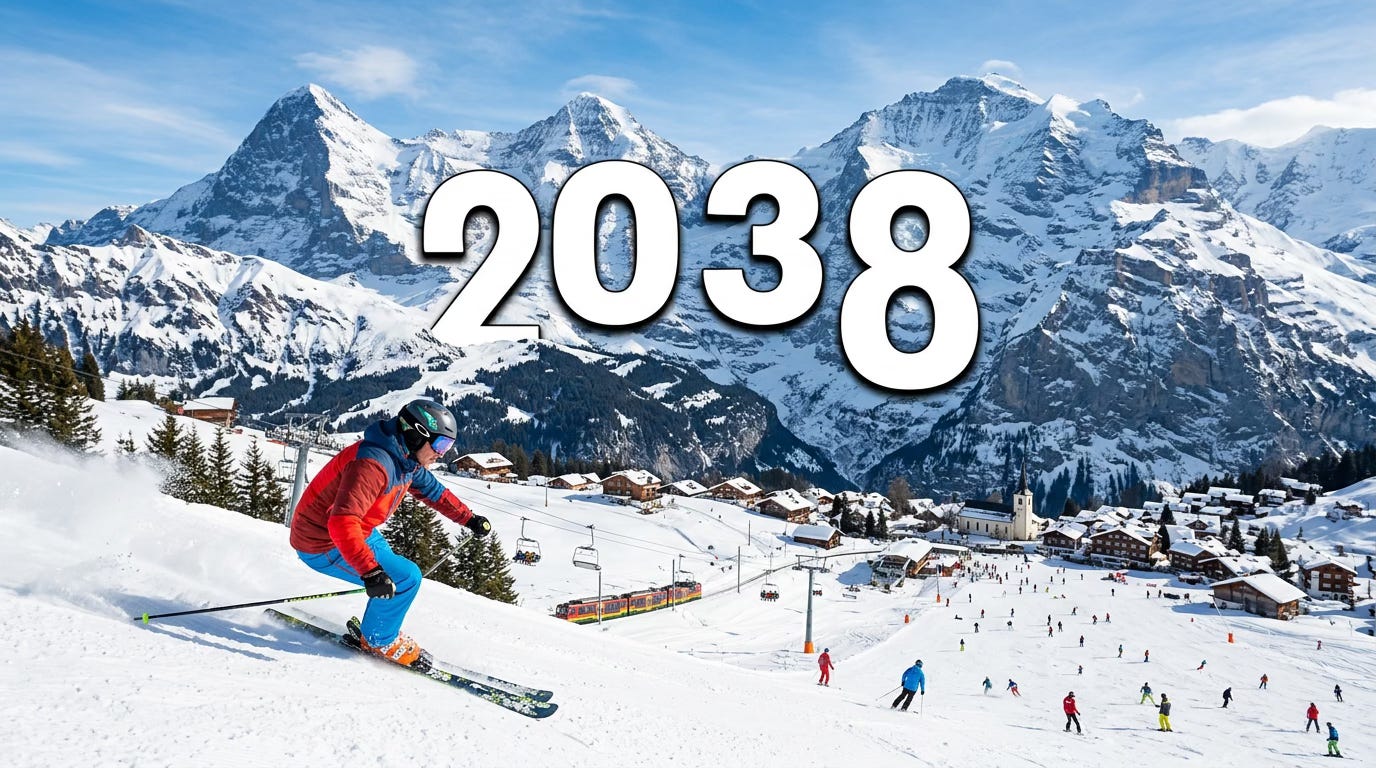
Reading Articles on Switzerland’s intention to host OWG 2038 made me thinking this:
Mega Event bid processes are evolving fast. And Switzerland’s bidding case for OWG 2038 looks like an early version of the future concept for major event bids.
The old playbook was simple. Ask the public to carry the risk. Build a big promise. Hope the politics holds.
That model is under pressure. And the Switzerland OWG 2038 project shows what may replace it.
Not because it’s flashy. But because it’s engineered to survive.
Here are my 3 takeouts on the topic.
1) The bid models are shifting to privately-backed, publicly-supported
This is the biggest signal.
Reading some articles on Swiss OWG2038 project I’m excited.
The games funding concept is built around a CHF 2.2 billion budget. The backbone is private money. Around 82% is planned from private sources. Public support is limited to about 18%.
And the public side is not there to cover deficits.
That is a different message from the old Olympic bid logic.
It says:
Bring private proof first.
Bring public support second.
Don’t treat taxpayers as the backstop.
The clearest proof point so far was just published. Swiss premium sportswear brand On has committed around CHF 20 million as the first private partner and “flag bearer” of the Switzerland 2038 project.
That does not fund the whole bid. But it reportedly covers around 10% of the private deficit guarantee.
That matters because first money changes credibility for the entire story. First for bid. Then for operations.
It tells everyone this is not just a public sector wish. It is a backed project.
And it signals something bigger: private partners are no longer “nice to have” sponsors you add later. They are part of the risk architecture from day one.
2) Privileged Dialogue changes what a bid really is
This part matters just as much as the money.
The IOC invited the project into Privileged Dialogue already couple of years ago. That means the IOC is not engaging with other potential hosts for this edition during that period.
So yes, there may be other interested parties in the background. But there is no open race right now. Everyone’s focused to find the best solution for topics that matter.
The current path is clear: If requirements are met, the IOC Executive Board could open a Targeted Dialogue by the end of 2026, with host election expected before the end of 2027.
That changes the job.
Less public bid theatre. Less campaign noise. More controlled development with the rights holder.
In practice, the future mega bid may be less about launching a campaign. And more about earning the right to keep building the project.
This is the shift many teams still miss:
A bid is no longer a “bid book moment.” It’s a multi-year product build. With the IOC inside the room.
3) The Swiss master plan looks already rock solid
This is why the project feels serious. There has been some first drafts of the master plan already revealed in public.
The concept is built on existing venues. It uses a decentralised delivery model across multiple hubs. And it follows a built-to-budget logic, not a build-big-and-fund-it-later logic.
That is a strong answer to the question that breaks many mega bids:
Is this exciting? Or is this actually deliverable?
Here, the strength is not only the dream. It is the structure.
Venue logic. Funding logic. Delivery logic. Political logic.
That is what should make a rights holder (IOC) comfortable. And that is what makes a modern bid hard to ignore.
What this may mean
The next generation of mega and major event bids may follow a different formula:
Privately-backed
Publicly-supported
Rights-holder guided
Master-plan led
If that holds, many bid teams are preparing for the wrong game.
Because the old bid-book era is fading. And the new one looks far more selective, far more financial, and far more operational from day one.
If you work in bids, hosting strategy, or major event delivery, this is the new baseline. Not the “innovation case.” The baseline.
Mark my words.
If you’re a host city (or advising one) and you’re still running bids with the old “big promise first” logic, you’re taking the wrong risk.
I built a 7-day Go / Conditional Go / No-Go Blueprint to pressure-test a major event opportunity fast — and turn it into a board-ready decision pack.
Here’s the path (the steps stay the same every time):
Day 1: Strategic Fit
Day 2: Rights Holder Trust Check + Local Organiser Reality Check
Day 3: Host City Ecosystem Readiness + Venue Fit Scorecard
Day 4: Feasibility Study (write-up)
Day 5: Desk Research Source Map + Real Economic Impact ranges (low/base/high)
Day 6: Public exposure + Cost–Benefit Sum Up
Day 7: Final Go / Conditional Go / No-Go report (export to PDF)
Want a piece of it?
Comment or DM “BLUEPRINT” and I’ll send you a sample section + the working template.